
When it comes to logistics and freight shipping, having a solid freight transportation strategy in today’s fast-paced global economy means everything. More and more businesses are opting for intermodal shipping as a means to leverage the advantages of rail freight and trucking, as well as eliminate their respective disadvantages. This blog compares rail freight and trucking, examines when intermodal makes the most sense, and discusses intermodal rail freight and trucking partnerships.
From cost savings to environmental concerns and capacity constraints, businesses of all sizes stand to benefit from understanding when to utilise intermodal shipping over traditional trucking.
What Is Intermodal Shipping? How Does It Work?
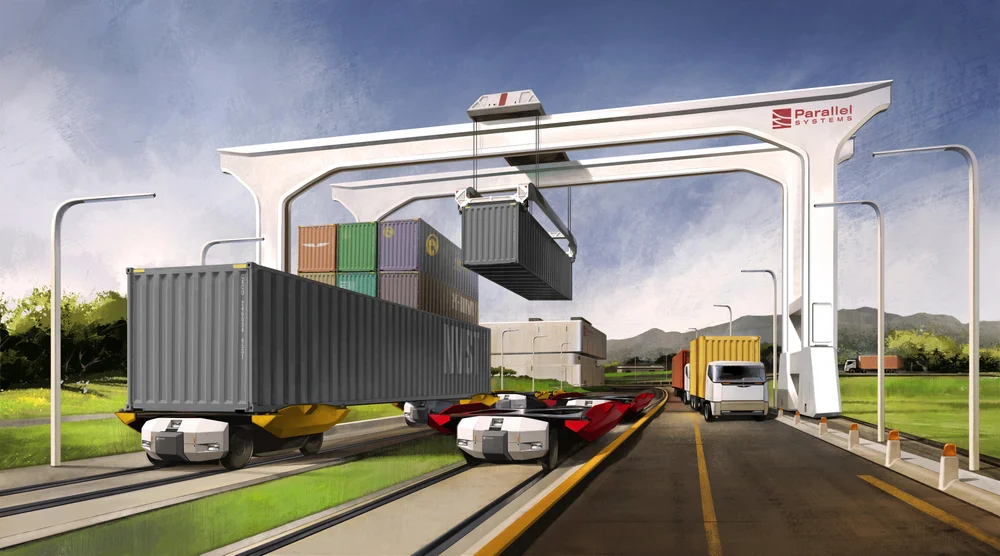
Intermodal shipping utilises two or more modes of transportation without handling the freight itself. The most common intermodal shipping modes are trucking for first- and last-mile delivery and rail freight for long-haul transportation. Here’s a simple overview of how intermodal shipping works:
- First Mile Drayage (Trucking): A truck hauls a container from a shipper and transports it to a rail terminal.
- Long Haul Linehaul (Rail Freight): The container travels long distances by train, often over hundreds or thousands of miles.
- Last Mile Drayage (Trucking): A truck hauls the container from the terminal to the consignee.
Unlike traditional trucking, intermodal shipping keeps freight in a sealed container during transit, which eliminates handling and logistical issues.
Rail Freight vs. Trucking: What Are the Key Differences?
While both rail and trucking can be used for freight transportation, both modal options excel in different areas:
Cost and Efficiency
- Fuel Efficiency: Rail transportation is more fuel-efficient than trucking. Trains can travel nearly 400-500 miles on one gallon of fuel to transport one ton of goods, whereas trucks can travel significantly fewer miles on one gallon of fuel.
- Cost Savings: Intermodal can help save 10-30 per cent or more on total transportation costs, especially on long-distance moves, in comparison to trucking alternatives.
- Labour Efficiency: One train crew can transport goods that would require hundreds of truck drivers, thus saving on labour costs and avoiding driver shortages.
Flexibility and Accessibility
- Trucking: Trucking offers unparalleled flexibility and “door-to-door” access, particularly in areas where rail infrastructure is not present. Trucking can also be used for time-sensitive shipments.
- Rail: Rail can efficiently transport large volumes of goods over long distances, but it is not flexible because it is limited to set routes and terminals.
Transit Times and Reliability
- Rail: Rail transportation is more consistent because trains run on set routes and do not get delayed by traffic.
- Trucking: Trucking can be faster, particularly for short distances, and can expedite shipments.
Why Rail and Trucking Partnerships Are on the Rise
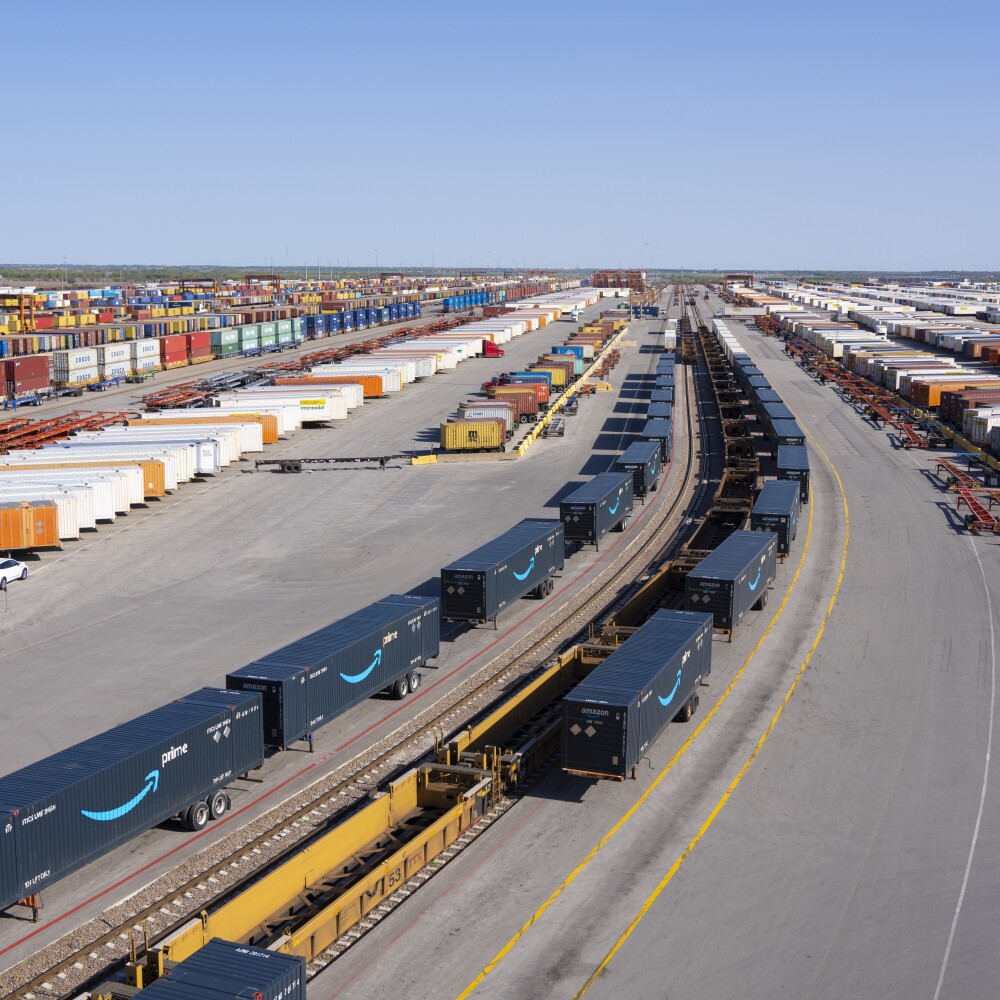
Intermodal transportation is not just an alternative; it is an alliance between two transportation options, each of which offers its own advantages:
Cost Stability and Predictability
Intermodal offers stability in rates, which is difficult to achieve in the trucking industry alone, especially during peak season when capacity is reduced and rates go higher. The economies of scale and capacity of railroads give intermodal an advantage in providing more stability in costs.
Intermodal Savings:
- Reduced line haul and fuel costs
- Reduced exposure to volatile truck rates
- Reduced accessorial charges because of single container handling
Sustainability and ESG Alignment
As sustainability and ESG have moved to the forefront of corporate strategy, intermodal offers an environmentally friendly alternative to traditional transportation modes.
- Rail freight can reduce greenhouse gas emissions by as much as 75% per tonne-mile compared to truck freight.
- Rail freight can reduce fuel consumption by as much as 70% for long hauls.
For companies looking to meet environmental objectives or enhance brand reputation, intermodal is one of the fastest ways to make a difference.
Capacity Resilience and Market Pressures
Intermodal shipping is ideal in situations where the trucking industry is experiencing pressures such as driver shortages, peak season demand, etc.
Intermodal shipping offers an alternative capacity solution that is not dependent upon driver availability.
Intermodal is ideal for:
- High-volume, consistent freight lanes
- Seasonal inventory replenishment
- Bulk consumer products with flexible delivery windows

When Intermodal Makes Sense: Decision Criteria
While intermodal is not a solution for everyone, it is a powerful solution for those who can take advantage of it. So, who is the ideal intermodal customer?
Ideal Use Cases for Intermodal
- Long-Distance Shipments (500+ miles) The farther the distance, the more cost advantage intermodal has compared to truckload shipping.
- High Volume and Repeat Loads: High volume on the same lanes can provide cost savings and contractual benefits.
- Non-Time-Critical Freight: Freight that does not require next-day service is a great candidate for intermodal transportation.
- Sustainability-Focused Logistics: Shippers with environmental goals will appreciate the eco-friendly benefits of rail transportation.
When Trucking Still Wins
- Short Distances (<500 miles): In these instances, the handling and terminal costs outweigh the rail benefits.
- Urgent or Perishable Freight: Flexibility and speed of trucks are still necessities in these situations.
- Remote Areas Without Rail Access: If rail terminals cannot be efficiently connected to the final destination, then trucks will be more efficient.
Real-World Examples
Think about common intermodal applications:
- Shipping from California to the Midwest: Major rail routes connect ports and Midwest destinations, making rail one of the most efficient modes for these long hauls.
- Retail Inventory Replacement: Routine, non-perishable items can take advantage of intermodal’s cost stability.
- Industrial Supply Chains: Heavy or bulk items that do not require same-day or next-day service can utilise rail’s capacity.
Intermodal Shipping Takeaways
Intermodal shipping is an attractive alternative or supplement to trucking when cost savings, eco-friendliness, and reliability are the objectives. The marriage of rail and trucks provides solutions that can be optimised for maximum efficiency and meet today’s business needs.
Key Tips for Shippers
- Analyse Your Freight Lanes: Evaluate lanes where intermodal provides significant advantages, such as 500 miles or more.
- Commit to High Volume: Long-term agreements can provide better intermodal rates.
- Use Trucking for Time-Sensitive Freight: Balance speed and cost with intermodal’s strategic advantages.
Sustainability Goals: Reduce carbon footprint and enhance ESG reporting with intermodal’s eco-friendly benefits.