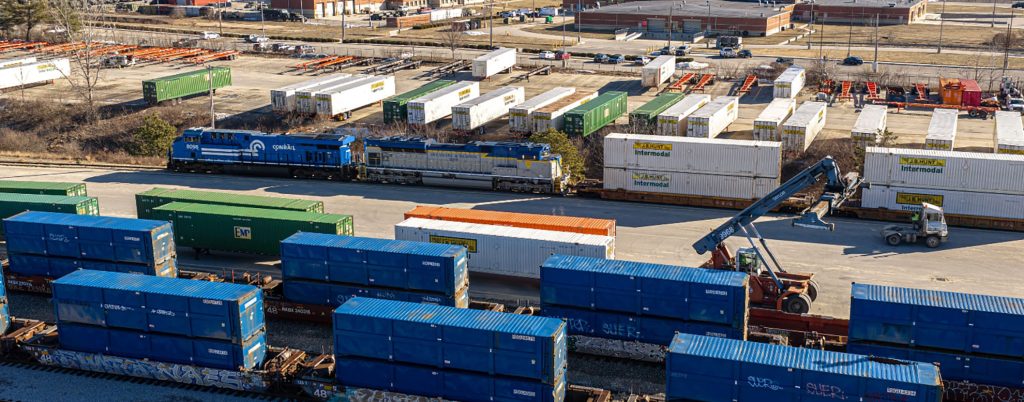
The refrigerated freight market, also referred to as “reefer freight”, is at a strategic crossroads. Perishables, including fresh produce, dairy products, pharmaceuticals, and packaged consumer goods, have come to dominate an increasing share of global freight movements. However, with cost pressures, capacity issues, and compliance challenges, the refrigerated freight market is evolving. At the same time, the trend toward intermodal freight, particularly rail-truck combinations, is gaining significant momentum.
This comprehensive analysis is a detailed look at the key trends that will shape the refrigerated freight market in 2025-2026, as revealed by market data and reports. Here, you will discover the key factors that will drive change, including capacity, cost, and compliance, as well as the opportunities for logistics leaders to understand what is next for the refrigerated freight market.
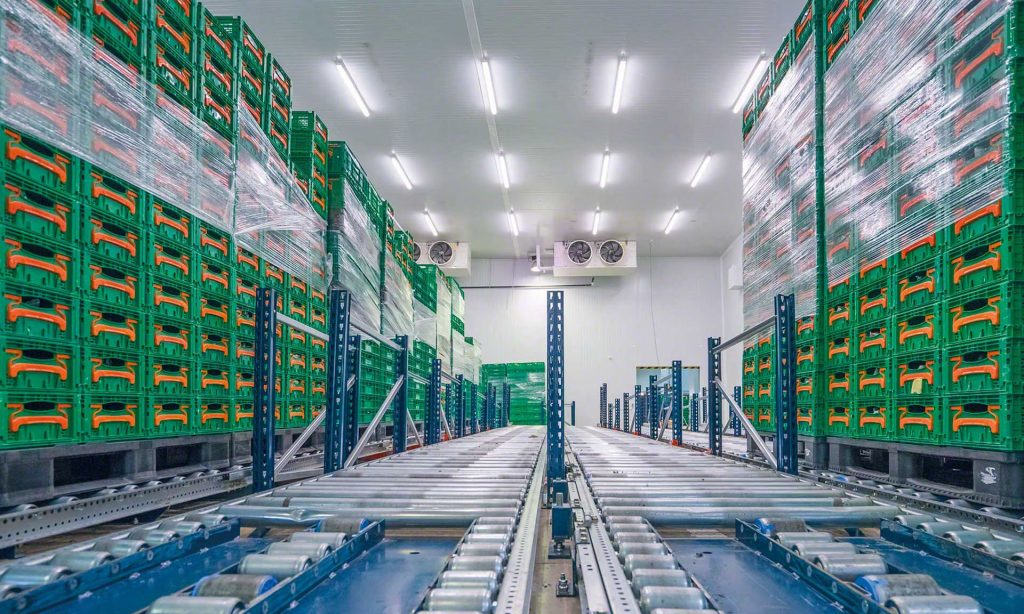
1. Refrigerated Freight Market Overview
Refrigerated freight, also referred to as cold chain logistics, is a term used to describe the transportation of goods that need to be transported within a controlled environment. Unlike other types of freight, refrigerated freight requires a specialised system to maintain a controlled environment, as well as a strict level of compliance.
Why “Reefer Freight Trends” Matters to You
The refrigerated freight market is an essential segment of the logistics market, particularly with the rise of fresh and perishable products. While the logistics market is facing a number of challenges, the refrigerated freight market is experiencing growth. Moreover, with the rise of perishables, companies such as grocery stores, restaurants, and the pharmaceutical industry need to maintain a high level of standards to avoid spoilage.
2. Capacity Pressures Remain Central to Reefer Logistics
Tight Capacity, Rising Rates
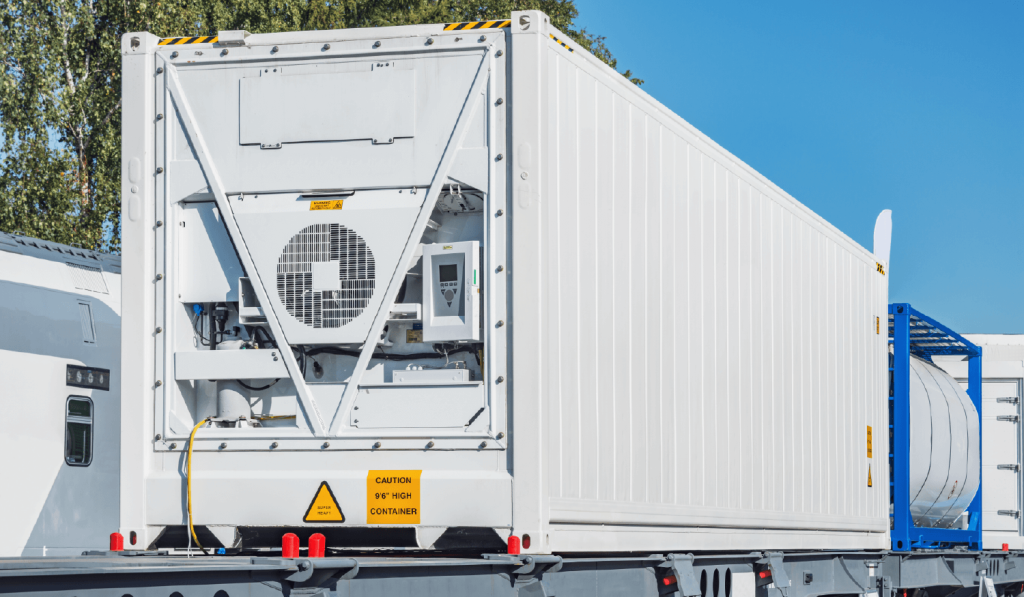
The reefer freight logistics segment continues to face a tight capacity environment. Industry data from late 2025 indicates that reefer freight capacity is continuing to contract as utilisation increases.
Key capacity-related data and trends:
- Transportation capacity contraction: Industry analysts' data shows reefer freight capacity contraction to be substantial, which has led to rising rates.
- Load-to-truck ratios: Industry reports show that load-to-truck ratios for refrigerated freight are rising sharply compared to the previous year.
3. Compliance Complexity in Cold Chain Logistics
Regulatory & Quality Requirements
While reefer freight moves product from one point to another, it also protects products that would otherwise spoil if temperatures were not tightly controlled. As such, there are additional compliance requirements for reefer freight compared to dry freight.
Some industry-related compliance issues:
- Regulatory complexities: Industry reports show that different regional requirements for food safety and phytosanitary requirements add complexity and cost to reefer freight movements, as additional certifications and documentation are required for reefer freight compared to dry freight.
- Temperature monitoring: New standards are now being implemented, and this has increased compliance costs, leading to increased shipping costs for carriers and shippers.
4. Cost Pressures: Rising Expenses Across the Reefers
Energy & Operating Costs
As mentioned earlier, reefer freight operations are significantly more costly compared to dry freight operations:
- Energy costs: Reefer freight operations are significantly more costly compared to dry freight operations due to increased energy costs.
- Maintenance: Reefer transport requires refrigerated equipment, which requires regular maintenance and qualified personnel, further increasing costs.
Market Rate Trends
Market analysis indicates that the rates of reefer freight services have increased compared to those of dry van freight, which can be attributed to increased demand and cost support. In addition, some regional lanes reveal significant premiums.
5. Intermodal Momentum: Why Rail & Truck Partnerships Are on the Rise
Rising Role of Intermodal Freight
Intermodal freight, which involves the use of two or more modes of transportation for one shipment, is becoming increasingly attractive to refrigerated freight stakeholders due to the following factors.
Cost Savings Potential
Intermodal rail transport is attractive to shippers since it is competitive with trucking, especially for long-haul transport, which is beyond ~750 miles, where savings of 5-25% or more can be realised.
Improved Rail Service & Capacity
Recent data indicate that intermodal transport is stable and, in some cases, trending upward, with railroads improving service and shifting capacity from declining bulk cargo like coal to intermodal.
Environmental Benefits
Shippers are increasingly embracing ESG objectives, and rail transport is beneficial to cold chain logistics managers, who can reduce their carbon footprint, with rail emitting substantially less CO₂ than long-haul trucking alone.
6. How Rail-Truck Synergy Works Best
First-Mile / Last-Mile Integration
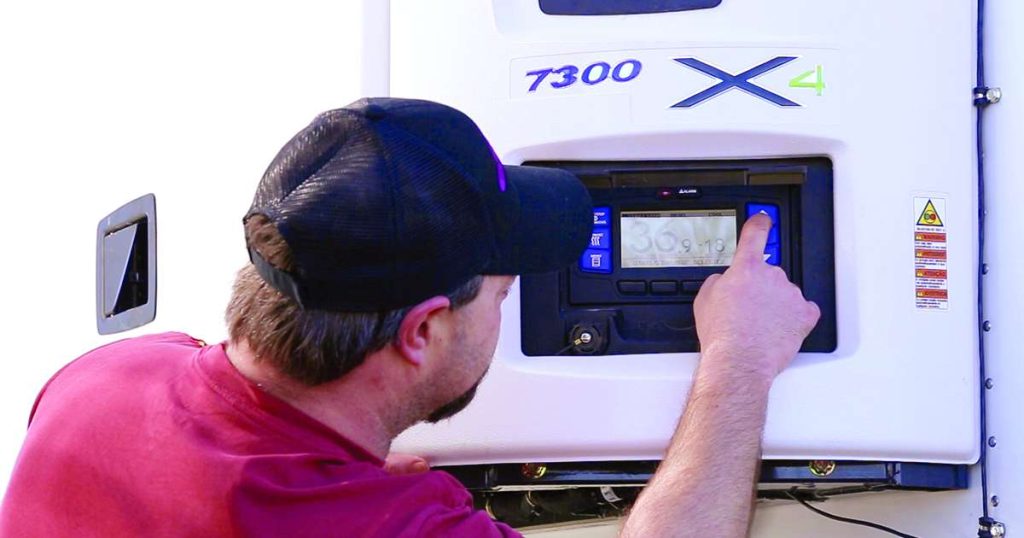
Trucks will always be required to transport reefer cargo, especially for the first and last mile, where intermodal and rail transport will be used for the long-haul transport of refrigerated cargo.
Reefer-Capable Intermodal Services
Operators have increased their offerings of Reefer Ready Intermodal Solutions, ranging from on-rail powered plug operations to specialised handling at inland terminals. This allows refrigerated containers to be transported smoothly between modes.
7. Strategic Trends Shaping the Future
Technology & Visibility
The adoption of warehouse automation technologies is significantly improving productivity while reducing labour constraints. This is an advantage for refrigerated transportation delivery reliability while reducing operational drag.
Sustainability Push
The refrigerated transportation industry is witnessing the adoption of electrified transportation, unit design improvements, and alternative power sources. This is expected to reduce costs while also reducing greenhouse emissions. This is especially true in Europe and North America.
Automation & AI
The adoption of warehouse automation technologies is significantly improving productivity while reducing labour constraints. This is an advantage for refrigerated transportation delivery reliability while reducing operational drag.
8. Actionable Takeaways for Shippers & Carriers
To successfully adapt to these refrigerated transportation dynamics, the following are recommended:
- Diversify Modes of Transport: Shippers can consider using intermodal transportation to manage costs while reducing greenhouse emissions.
- Negotiate Early: As capacity is tight, shippers are advised to negotiate with carriers early on before peak seasons.
- Invest in Technology: Technology can be an advantage in terms of reducing costs while improving refrigerated transportation reliability.
- Strategic Partnerships: Trucking companies can consider partnering with rail operators for increased efficiency while reducing transportation costs.
Conclusion:
The refrigerated transportation industry is expected to be marked by tight capacity, increased compliance costs, and higher transportation costs in 2025-2026. This is expected to be a major challenge for logistics companies. In light of these challenges, intermodal transportation is expected to be an alternative solution for reducing costs while improving sustainability, while maintaining refrigerated transportation excellence.
By linking strategic modes with technology and compliance investments, shippers and carriers can not only cope with the pressures but also thrive in the ever-changing environment.