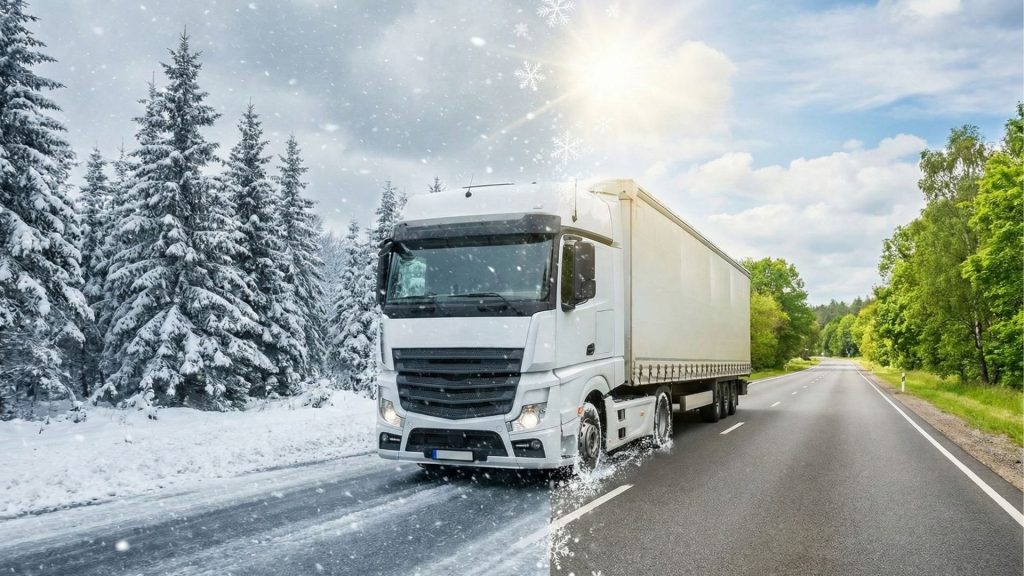
Supply chains have always been intricate, but the last couple of years have demonstrated how vulnerable they can become. From the pandemic to geopolitical issues and bad weather, businesses around the world have been hit hard by unprecedented freight disruptions.
Empty store shelves, delayed transportation, increased transportation costs, and strained supplier relationships have become the new normal. What used to be a competitive strategy for cost savings and efficient operations now requires a new approach.
So, what have we learned from the latest disruptions? What are some of the emerging trends that can help businesses navigate this complex and ever-changing transportation environment? Let’s dive into the emerging trend of intermodal transportation, including rail and truck combinations.

What Is Supply Chain Resilience, and What Does It Mean to Logistics and Freight Transport?
Supply chain resilience refers to a company’s capacity to anticipate disruptions, prepare for disruptions, and recover from disruptions while maintaining business operations. Unlike conventional risk management, which concentrates on prevention, supply chain resilience also includes adapting to disruptions and the capacity to recover.
We have seen a series of disruptions that have exposed some underlying weaknesses in the global supply chain, including:
- Overreliance on a single source or region
- Overreliance on trucking
- Lack of visibility
- Just-in-time inventory
- Port capacity
When faced with port congestion and capacity constraints for trucking, many businesses realised that their logistics strategy wasn’t flexible enough.
Lessons Learned from Recent Freight Disruptions
1. Overdependence on Single Modes of Transport Is Risky
Businesses learned to diversify modes of transport to reduce the risk of supply chain disruptions. The intermodal solution of combining rail and trucking is an excellent approach to achieving a more balanced supply chain.
2. Visibility Is the Foundation of Resilience
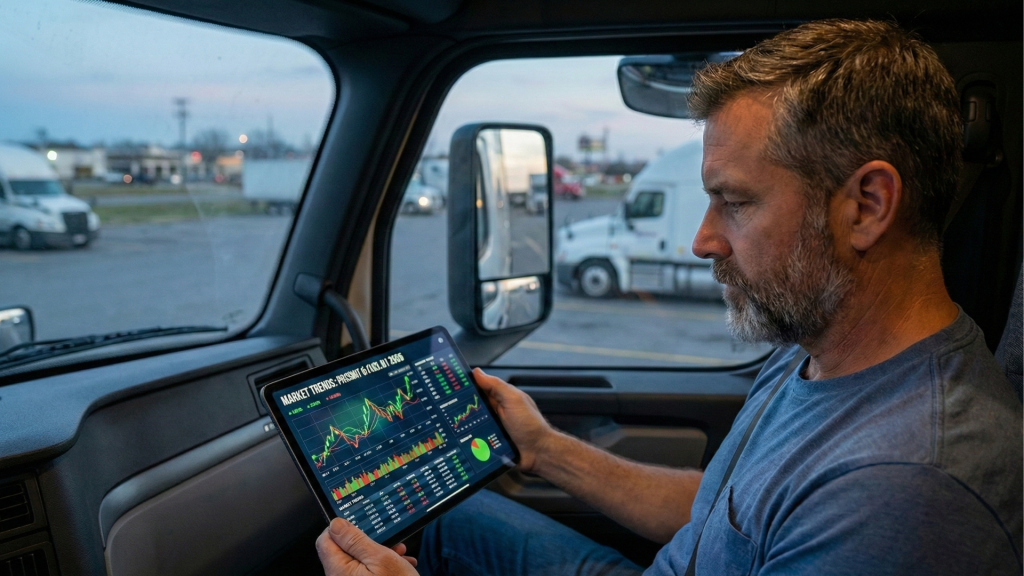
One of the main problems that companies face during freight disruptions is the lack of real-time information. Companies found it difficult to track shipments, predict delays, and change routes to alternative modes of transport.
Therefore, the new supply chain strategy is to adopt the following technologies:
- Real-Time Tracking Systems
- Predictive Analytics
- Digital Freight Platforms
- Cloud Logistics

3. Cost Efficiency Alone Is Not a Sustainable Strategy
Pre-disruption supply chains focused on achieving efficiency by keeping costs low. Companies maintained low inventory levels and operated with little redundancy to keep costs low.
However, companies learned to adopt a new supply chain strategy that balances the following factors:
- Cost Efficiency
- Redundancy
- Speed
- Reliability
4. Collaboration Is More Critical Than Ever
The recent freight disruptions have emphasised the need for companies to build partnerships with freight carriers, railroads, and third-party logistics companies.
Through collaborative supply chain planning, companies can achieve the following benefits:
- Capacity forecasting
- Shared risk management
- Scheduling
- Crisis Response
This collaborative approach is driving the intermodal solution of combining rail and trucking.
Intermodal Momentum: Why Rail and Truck Partnerships Are on the Rise
With the evolution of supply chain management, intermodal transportation is witnessing tremendous growth. Companies are realising that no single mode of transportation can provide both flexibility and efficiency for long-haul transportation.
What is Intermodal Transportation?
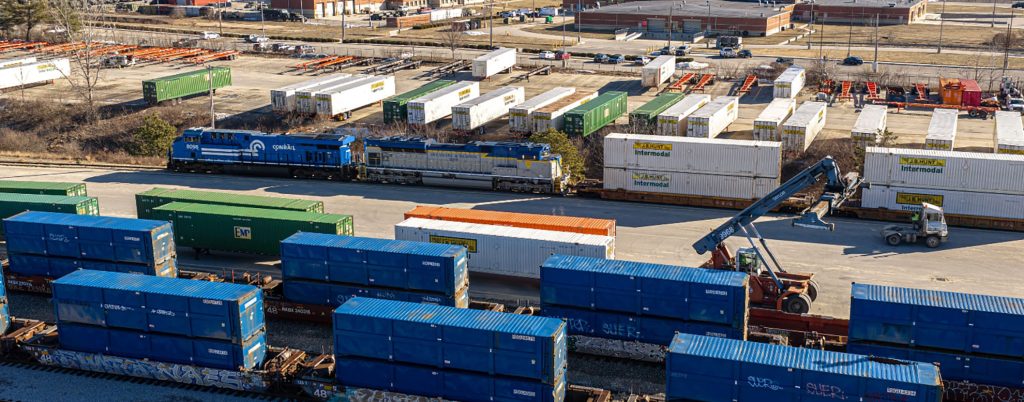
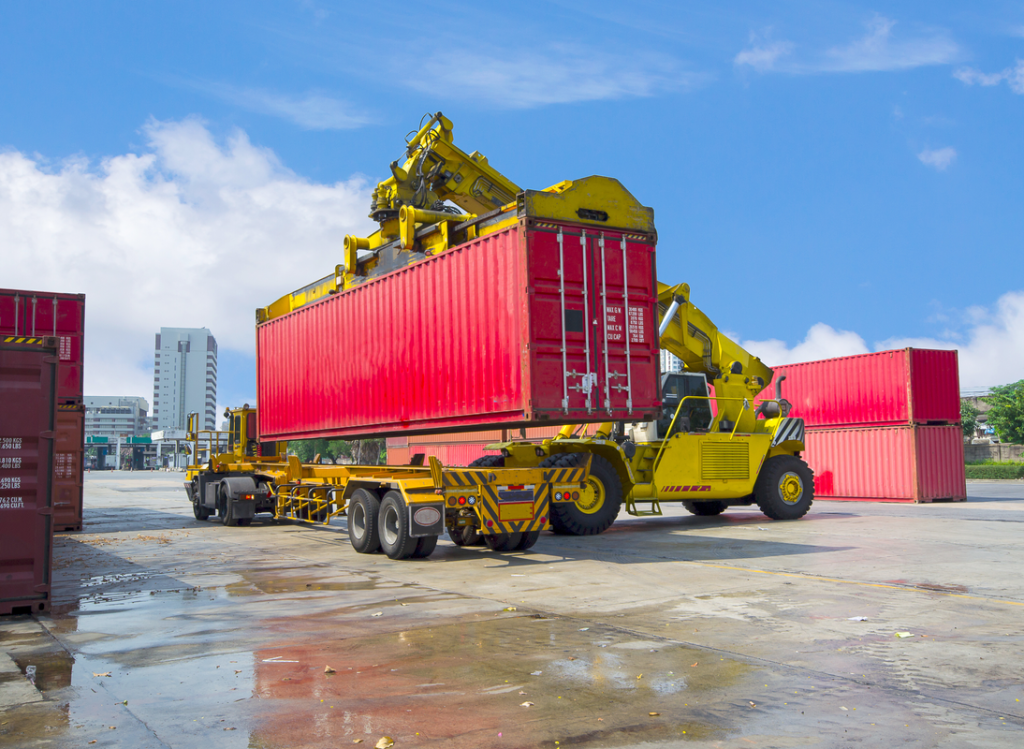
Intermodal transportation is defined as the movement of goods through two or more modes of transportation—most commonly rail and truck—without touching the goods while changing modes of transportation. Goods are moved in containers that are easily transferable between trucks and trains.
The advantages of intermodal transportation are:
- Trucking flexibility for first- and last-mile delivery
- Rail efficiency for long-haul transportation
- Fuel efficiency
- Environmentally friendly - less fuel consumption and less emission of greenhouse gases
- Cost management - stable transportation costs
What are the key drivers behind the growth of rail and truck partnerships?
1. Capacity Constraints in Trucking
The trucking industry is currently experiencing severe driver shortages. In peak season, these issues are amplified. As a result, spot rates have increased significantly.
Truck drivers are the lifeblood of the trucking industry. Rail transportation provides the solution by efficiently transporting goods over long distances.
2. Increasing Fuel Costs
Fuel costs are one of the major drivers of transportation costs. Rail transportation is more efficient in terms of fuel costs. For every gallon of fuel consumed by the rail industry, one tonne of freight is moved.
Fuel costs are highly variable. By using rail transportation for long-haul transportation, companies can manage fuel costs more efficiently.
3. Sustainability Goals
The days of ignoring the environment are long gone. Sustainability is now an integral part of business strategy. Companies are realising that sustainability is not only good for the environment but also provides a competitive edge.
For companies that prioritise sustainability:
- Fewer greenhouse gas emissions
- Less congestion on public roads
- Positive public image
- Increased compliance with regulations
The green movement is not only good for the environment; it is also good business.
4. Infrastructure Investments
Governments, as well as infrastructure operators, have continued to invest more in rail infrastructure. Improved capacity, coupled with modern technology, has ensured that rail is more accessible today than it has ever been.
The advantages of modern rail infrastructure include:
- Fewer greenhouse gas emissions
- Less congestion on public roads
- Positive public image
- Increased compliance with regulations
Benefits of Rail and Truck Partnerships in Building Supply Chain Resilience
1. Diversification of Transportation Risk
The use of multiple modes of transportation reduces supply chain risk. Rail can help to pick up some of the slack should there be a rise in demand for trucking services, and vice versa.
The use of multiple modes is essential for supply chain resilience.
2. Cost Predictability
Rail is more predictable, with more stable prices, unlike the fluctuating prices of trucks.
3. Scalability During Peak Demand
The use of an intermodal system can help businesses scale up to meet the demands of a particular season without having to rely too much on trucks.
4. Geographic Reach
Rail can help companies to reach all parts of the country, with trucks providing the final leg to the destination.
Building a More Resilient Logistics Strategy
The use of an intermodal system is part of a larger trend towards a more resilient logistics strategy. There are several characteristics that companies that have weathered the storm of recent freight disruptions have in common.
1. Develop Multi-Modal Transportation Plans
Businesses should:
- Identify lanes for conversion to rail
- Cost-benefit analysis
- Pilot programs
- Truck partnerships
Having a diverse freight portfolio is essential for resilience.
2. Invest in Technology
The digital revolution can play a key part in building a more resilient logistics strategy. Supply chain resilience can be achieved through:
- Artificial intelligence for forecasting
- Real-time tracking
- Scheduling
- Transportation Management System (TMS) integration
Technology can be used to increase the agility of businesses during disruptions.
3. Strengthen Supplier and Carrier Relationships
Building strategic partnerships is crucial to problem-solving. Businesses can achieve this by:
- Sharing forecasts with the carrier
- Signing long-term contracts
- Developing joint contingency plans
- Maintaining open communication
Relationships can make or break the chances of accessing capacity during disruptions.
4. Rethink Inventory Strategy
Just-in-time strategies may require readjusting. Businesses can adopt the following to minimise the impact of disruptions:
- Implementing strategic safety stocks
- Establishing regional distribution centres
- Undertaking nearshoring strategies
- Maintaining open communication
This will minimise the impact of disruptions caused by global events.
The Future of Freight: Resilience as a Competitive Advantage
The days of vulnerable, cost-focused supply chains are gone. Businesses that adopt the culture of resilience will be the ones to thrive in the future.
Freight disruptions will persist, and they will be caused by different factors, such as climate change, geopolitical issues, labour issues, and economic changes. However, the only variable is the level of preparedness.
Intermodal is gaining momentum, and it is an indication of a fundamental shift in logistics thinking. Rail and truck partnerships are no longer alternative core components of modern supply chain resilience.
Companies that diversify their modes of transport, invest in technology, and build strong relationships with their partners are best positioned to beat their competitors in case another disruption strikes.
Actionable Takeaways for Logistics Leaders
To build a resilient supply chain today:
- Conduct a transportation audit – Check if you are over-dependent on any one mode.
- Look for intermodal opportunities – check lanes over 500 miles and convert them to rail.
- Invest in transportation visibility – real-time data helps mitigate disruptions.
- Build strategic relationships with carriers – partnerships are key to long-term success.
- Embracing sustainability – Make logistics a key component of your ESG goals.
Building resilience does not happen overnight, but taking the right steps today will ensure a resilient supply chain tomorrow.
Conclusion:
The recent freight disruptions have changed the logistics landscape for good. Businesses have realised that being efficient without being flexible makes them vulnerable.
The emergence of intermodal transport, where rail and trucking are becoming partners, shows how the logistics industry is evolving. Businesses are diversifying their modes of transport and investing in technology and relationships to leverage disruptions as opportunities.
Supply chain resilience is the key to survival in today’s uncertain world, and businesses that start taking the right steps today are positioned to lead the freight industry tomorrow.